


How a B2B groundworks contractor grew branded search by 50% in 11 months
2 million views, 30+ job sites filmed, and a measurable rise in the number of people searching for the company by name.
- +50%branded search — from 7–8K to 11.7K searches a month
- 2Mviews across Instagram and YouTube
- 11 monthsone continuous program, not a one-off shoot
• The brief
Two problems, one content program
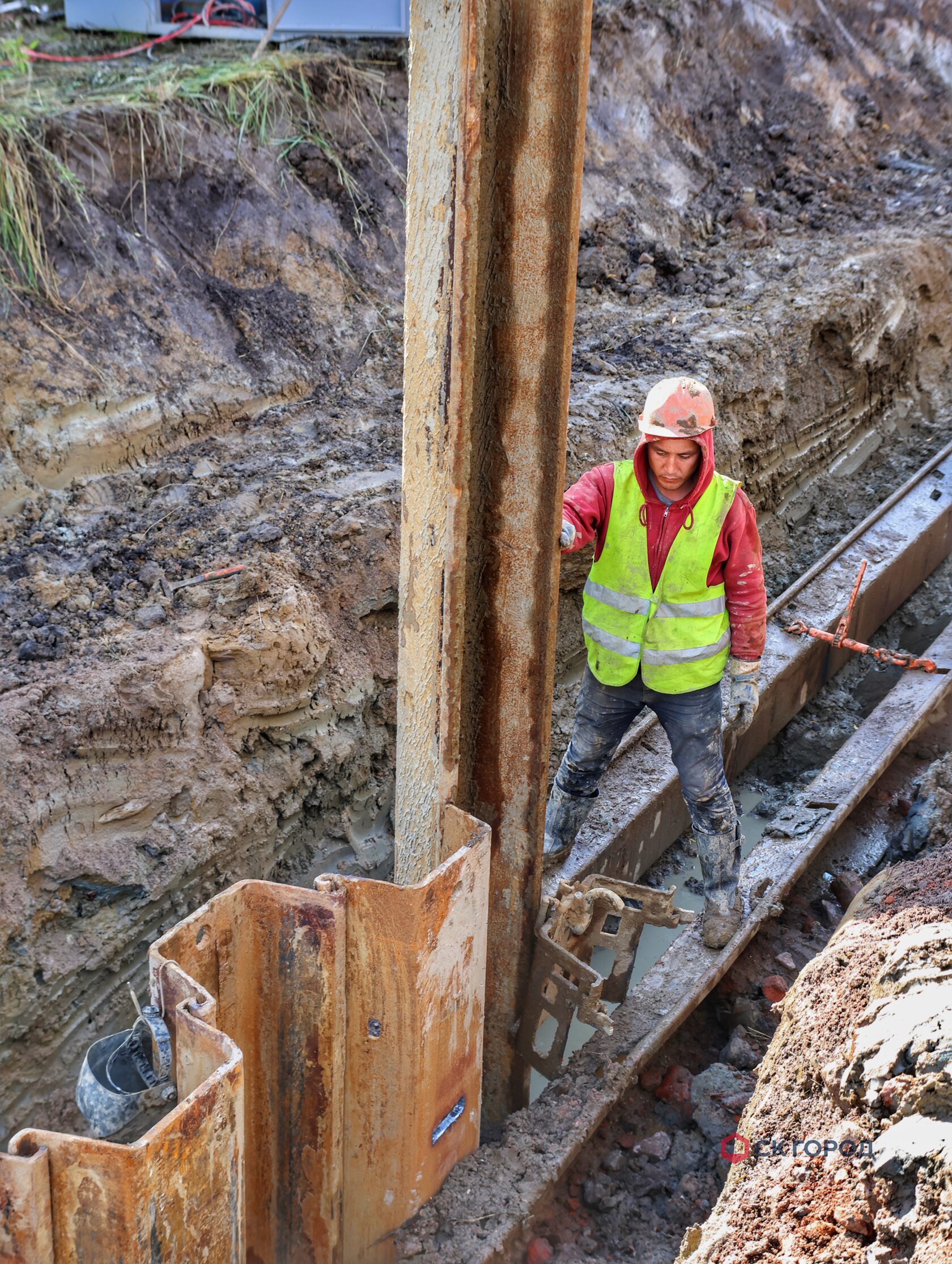
This contractor builds the part of a project nobody photographs: excavation, piling, foundations. The work is finished and buried before the building exists. The company had an Instagram account and a YouTube channel, and almost nothing on either.
Crews are harder to find than contracts
Groundworks runs on people who are willing to work outdoors, in winter, on a site that changes every week. Job boards bring in applicants who have never seen that site and leave within a month. The company needed candidates who knew what they were signing up for before they applied.
Buyers check you before they shortlist you
General contractors and developers look up a subcontractor long before the first call. If the search ends on a static website and an empty feed, a company with thirty active sites looks smaller than a company with three.
Where we started: two accounts, no regular content, no footage library.
• The double funnel
One shooting day, two audiences
A construction site is interesting to two very different people: the worker who might join the crew, and the client who might sign the contract. We built the program so that one day of filming feeds both.
Hiring funnel
- Who
- Foremen, operators, site workers
- What they want to see
- The real site, the machines, the people, what a shift actually looks like
- Formats
- Short-form video with recurring characters, day-in-the-life, equipment close-ups
- What it changes
- Applicants arrive having already seen the job
B2B funnel
- Who
- General contractors, developers, project managers
- What they want to see
- Method, sequencing, deadlines held, completed sites
- Formats
- Project walkthroughs, drone progress footage, technology explainers, carousels
- What it changes
- By the time a buyer calls, they have already seen the work
Same crew, same site, two edits. That is what makes it affordable to run both funnels at once.
• What we shot
30+ sites. 180+ photographs. 65 videos.
Eleven months of continuous production on working construction sites — drone and ground, in every season.
- 30+job sites filmed
- 180+photographs delivered
- 65videos produced
- 11months of continuous production
Shot on live sites during working hours. Nothing staged, nothing filmed in a studio.
• Not just filming
Filming was one of six things we did
A social media program is not a stack of videos. Most of the work happens between the shoots.
Short-form video
Scripts, shoot, edit. 65 videos for Reels, Shorts and the feed — written before the crew left for the site, not assembled from whatever got filmed.
Carousels
A construction method explained in eight slides. The format buyers save and forward to a colleague.
Stories
The daily layer: progress on a site, polls, questions from the audience answered by the people doing the work.
Graphics and diagrams
How a foundation goes in, drawn so that someone who is not an engineer follows it.
Copywriting
Captions, hiring posts, project descriptions — written in construction vocabulary, not marketing vocabulary.
Recurring formats
A foreman, a safety officer and a site worker as recurring characters, so the audience comes back for people and not only for machines.
A video studio hands you files. We ran the accounts.
• Shooting on a live site
How we film without stopping the work
- Every shoot is agreed with the site foreman in advance and fits the construction schedule, not ours.
- The crew follows the site safety rules, wears the required protective equipment and stays clear of lifting and excavation zones.
- Weather and light decide the day. Groundworks happens in rain, mud and snow, and the footage has to look good in all of it.
- Frozen ground in winter is not a reason to pause — it is the most convincing footage a contractor can show a client who is worried about the schedule.
Nobody had to pose, repeat a manoeuvre or wait for us.
• Timeline
11 months, four phases
- Month 1
Audit of both accounts, competitor review, a shooting plan tied to the construction schedule, content pillars for both funnels.
- Months 2–3
First site visits, drone and ground. Testing which formats hold attention and which do not.
- Months 4–7
A stable publishing rhythm, recurring characters, a growing footage library. Reach climbs month over month.
- Months 8–11
The highest-reach videos of the program, and branded search passing 11K searches a month.
• Results
The numbers
- Total views and reach
- 2,004,751
- 1,269,014 reach, 107,619 reactions, 38,971 shares, +1,272 followers
- YouTube
- 735,737 views, +120 subscribers
- New followers
- +1,392
- Branded search
- +50% — from 7–8K to 11–11.7K a month
- Duration
- 11 months, December to October
- Production
- 30+ job sites, 180+ photographs, 65 videos
If we could show only one number, it would be the fifth one.
Views measure attention. Branded search measures memory — it counts the people who stopped scrolling at some point, remembered the name, and later typed it into a search box on purpose. Over eleven months that number went from 7–8 thousand a month to 11–11.7 thousand, and its peaks fall in the same months as our highest-reach videos.
That is the hardest thing to produce in B2B construction marketing, and the easiest thing to verify.
If your company builds something nobody photographs
Groundworks, utilities, structural steel, industrial installation — the less visible the work, the wider the gap between what a company actually does and what the market knows about it. Content is what closes that gap, and the people you want to hire are watching the same feed as the people you want to sell to.