


How a winter footwear brand tripled its sales through social media
Three years of work, more than $500,000 in sales through social, and an account that stopped losing its audience every summer.
- $500,000+in sales through social over three years
- 3xgrowth in sales through social, in the client's own words
- 511direct message inquiries in five months

• Starting point
Where we started
A pair of winter boots lined with reindeer fur costs somewhere between $500 and $1,000, and for someone who lives where winter runs half the year that is a purchase on the same order as a new phone. People take their time over it: they try several pairs, ask friends what they wear, look closely at the stitching and the density of the fur, and ask the salesperson how the boots will hold up in their fifth season. They are bought to last for years, which is exactly why nobody decides quickly.
More than 80% of the brand's customers live in the coldest parts of the country, where footwear is judged on whether it will survive a fifth winter rather than on how well it photographs. The account we started with did none of that work: it read like a catalog, one product following another with nothing to say about why anyone should buy it here rather than anywhere else. Advertising ran continuously throughout, and nobody was tracking what a single inquiry cost or whether it ever paid for itself.
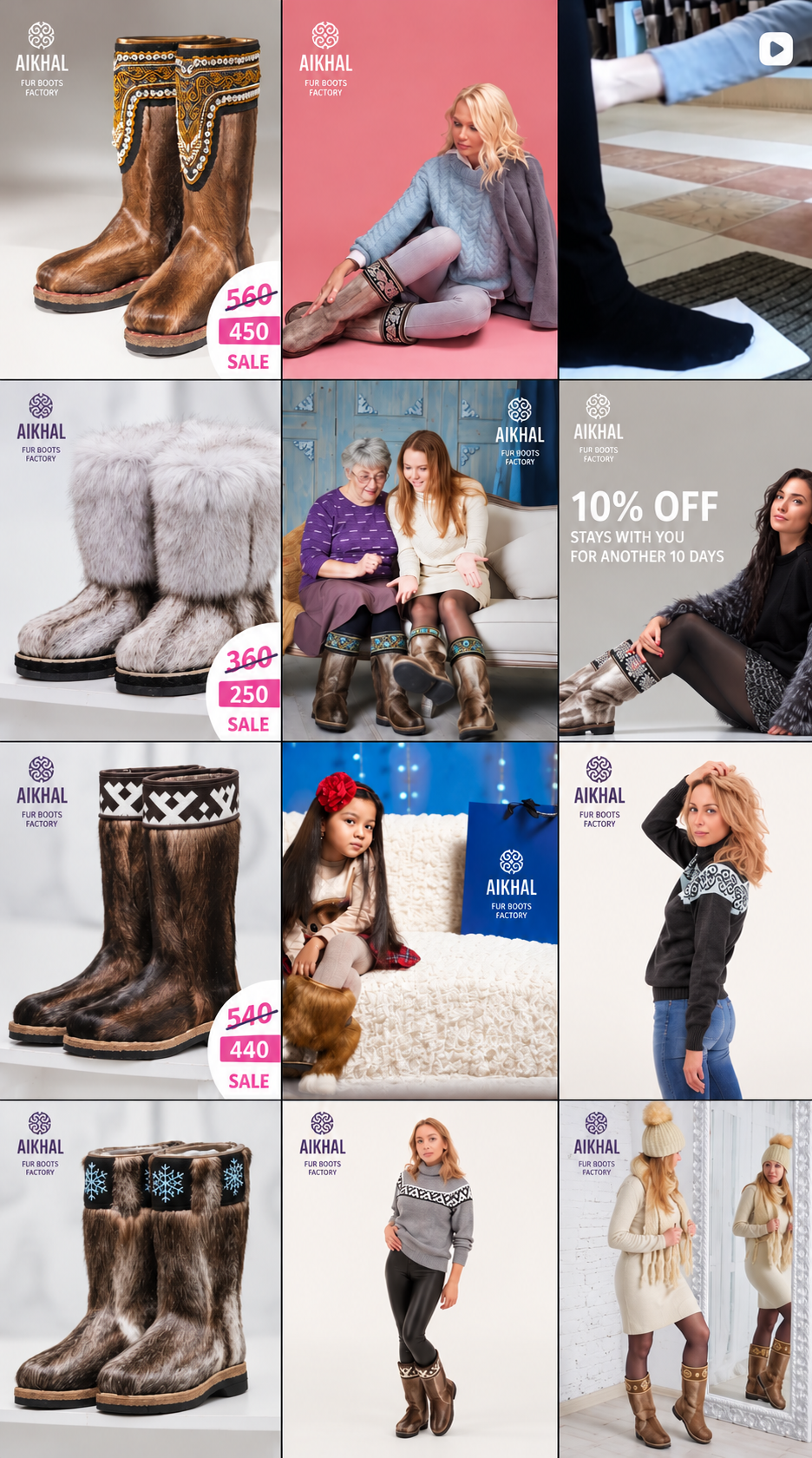
Starting numbers
- 8,500–9,000followers
- ≤ 2,000people reached by a post
- 150–200views on a story
- −1,000–1,500followers lost every summer
• The problem nobody writes about
Five months of demand, seven months of silence
A winter footwear brand gets roughly 5 months a year when people think about it at all, and another 7 when it does not cross their minds. The audience you gathered during the season, and paid to gather, is half gone by the following winter, so the whole thing begins again and you find yourself buying the attention of the same people for a second time.
So the brief was never to grow the account. It was to give someone a reason to stay subscribed to a winter footwear brand in July, so that in October we would not have to buy their attention all over again.
Everything that followed grew out of that one question.
• Brand voice
Finding the voice
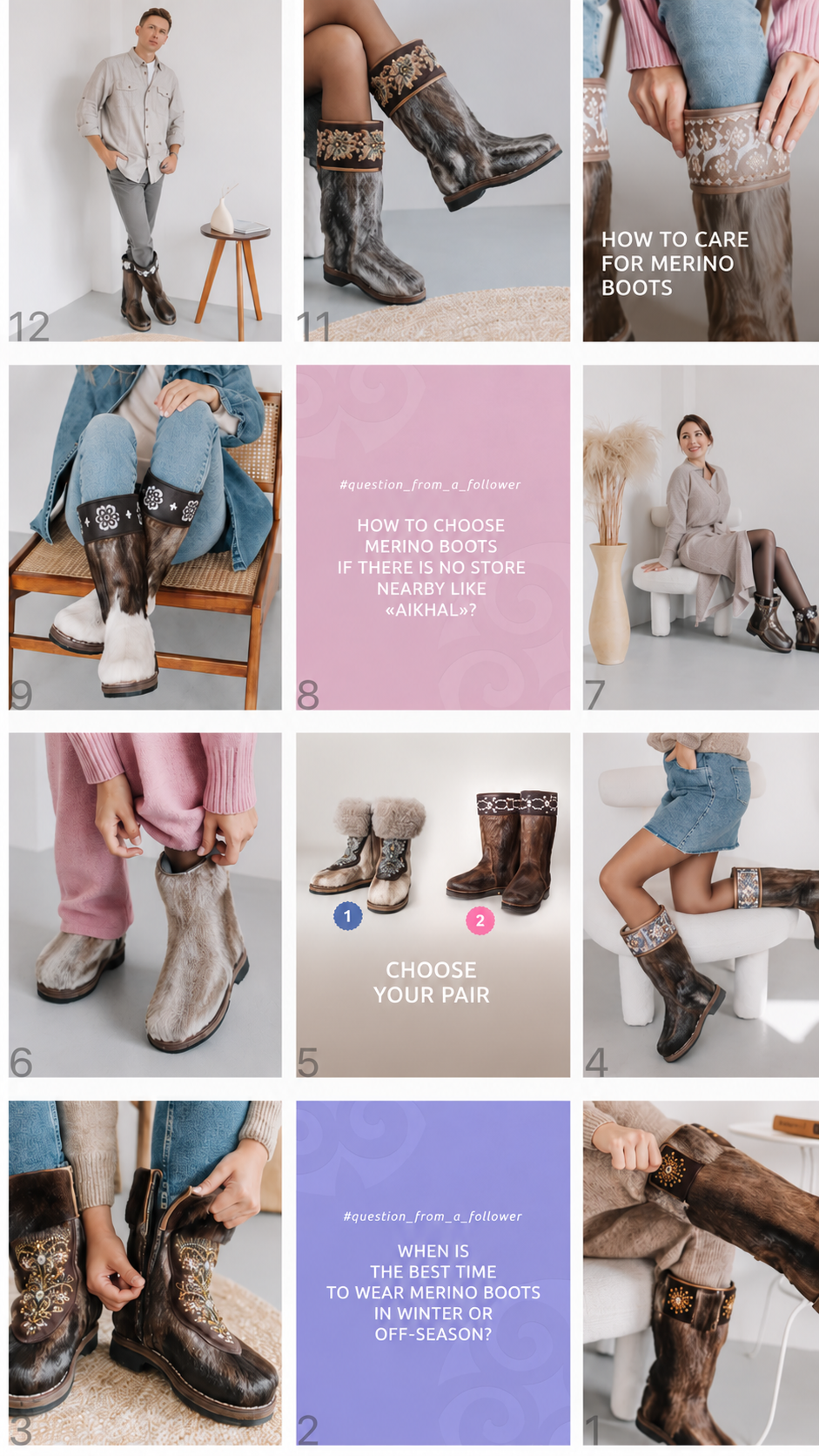
We built the brand's voice around a simple idea: this is a company that keeps people warm and expects its boots to last them years. A position like that treats an expensive purchase as a considered decision rather than an impulse to be caught within 24 hours.
What the position ruled out
- Countdown timers
- Manufactured urgency
- Red discount banners
What it brought in
- Advice on caring for fur
- Replies written by an actual person
- A tone for a considered purchase
Four content pillars we worked to from then on
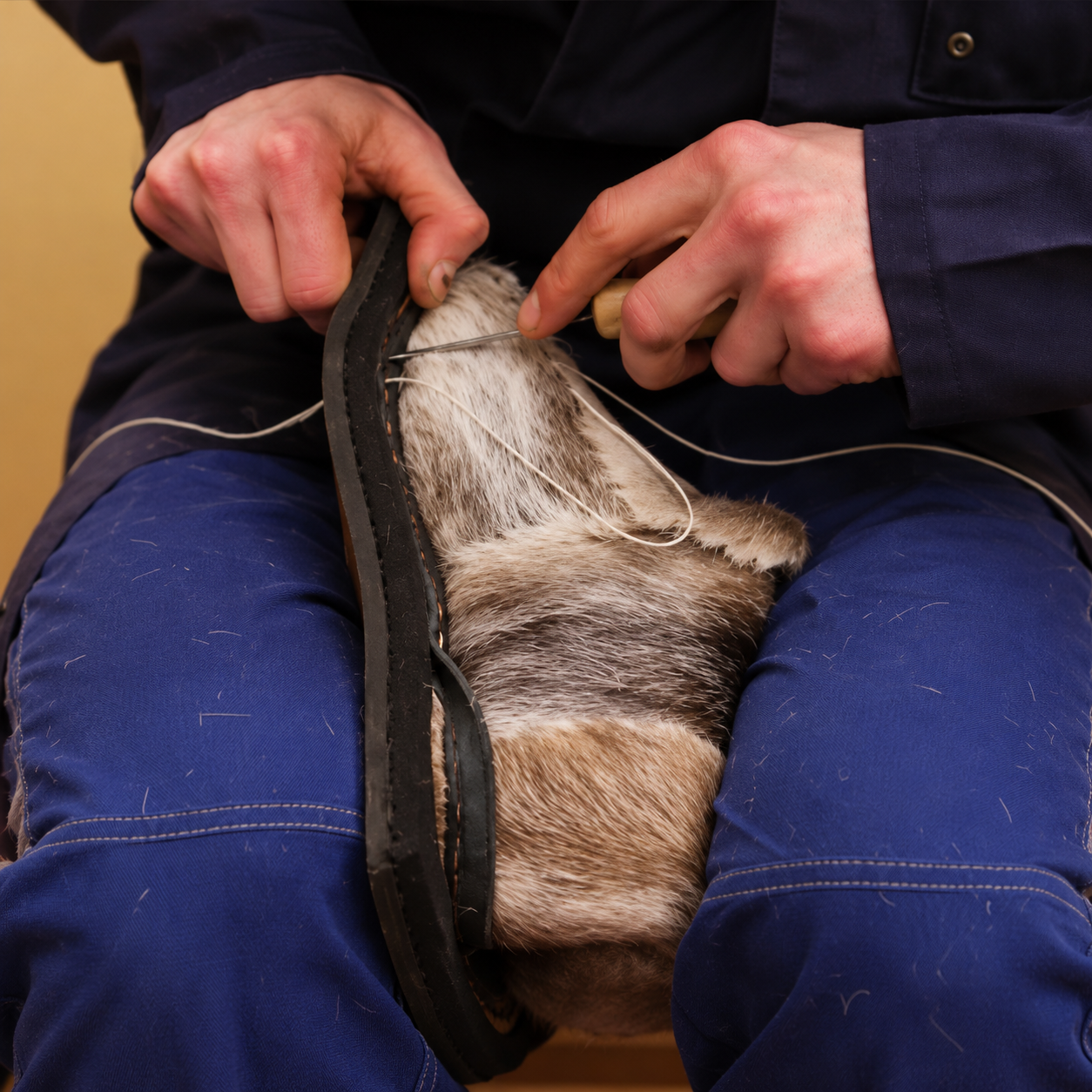
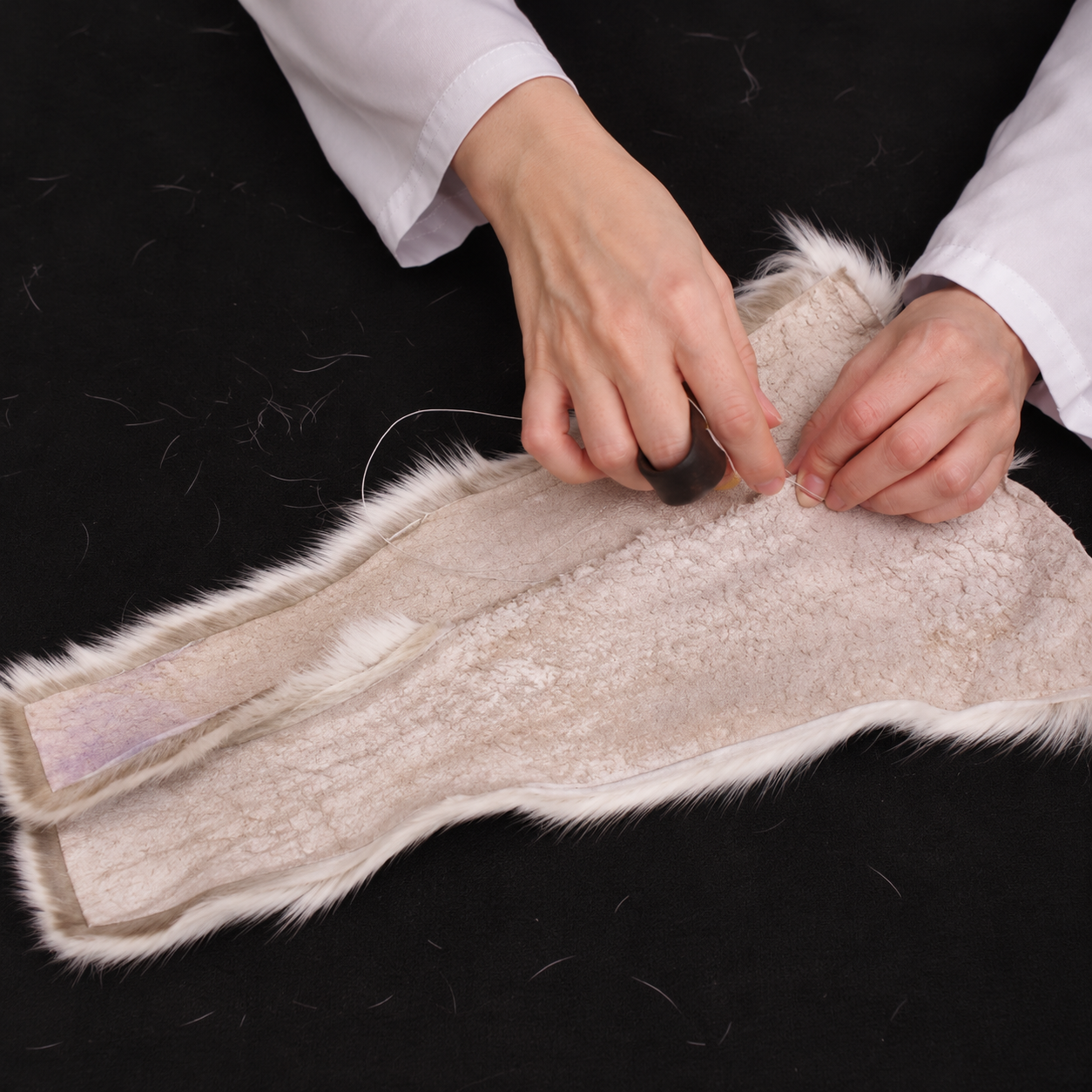
The people behind the boots
Stories about the people who make the boots and how they do it.
Conversations about the product
Conversations about the product that change what people assume it is.
A community of real winters
A community of customers who live where it really does get cold.
Care advice
Care advice, thanks to which a pair lasts 10 winters instead of 2.
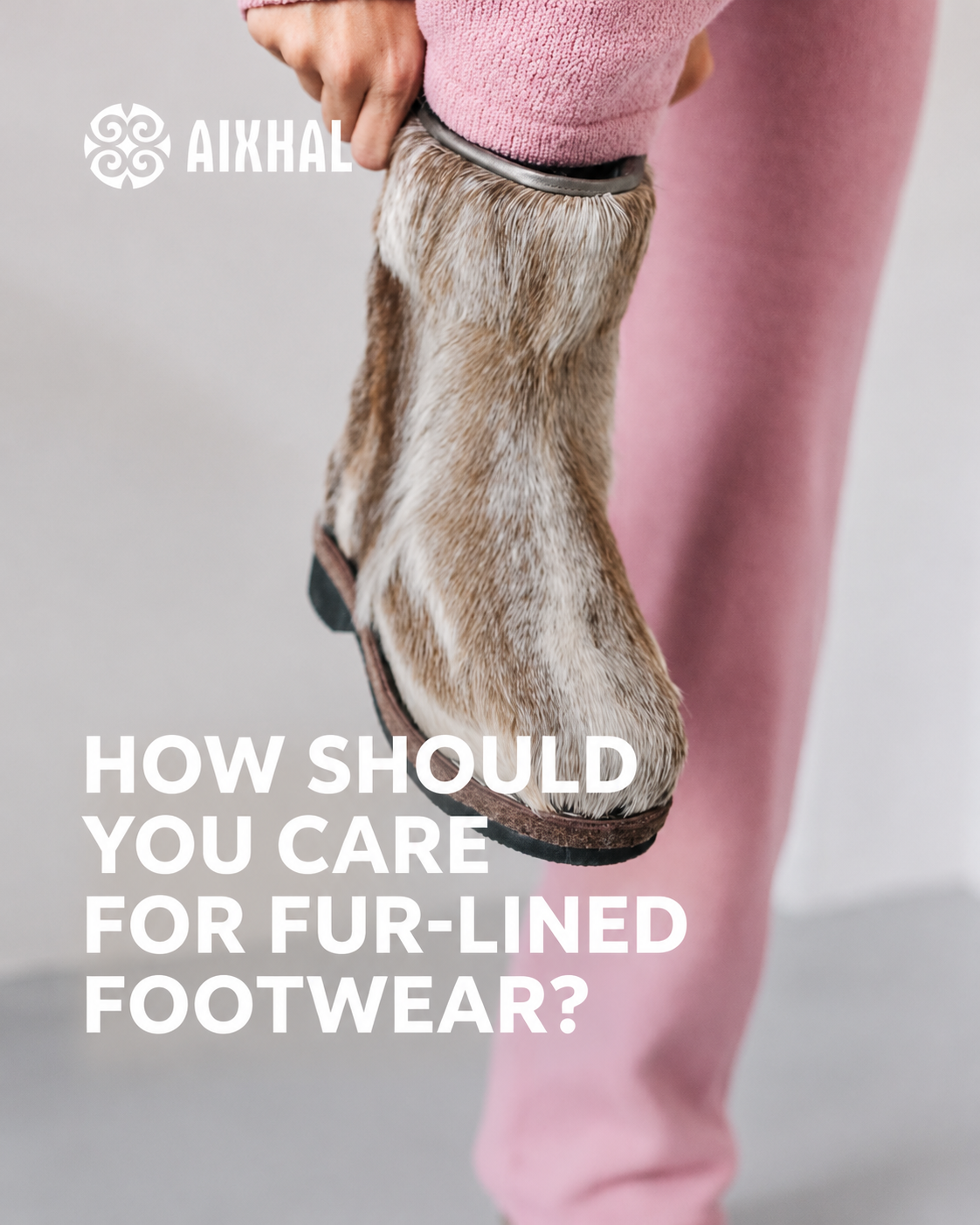
• Summer shoot
Winter boots in July
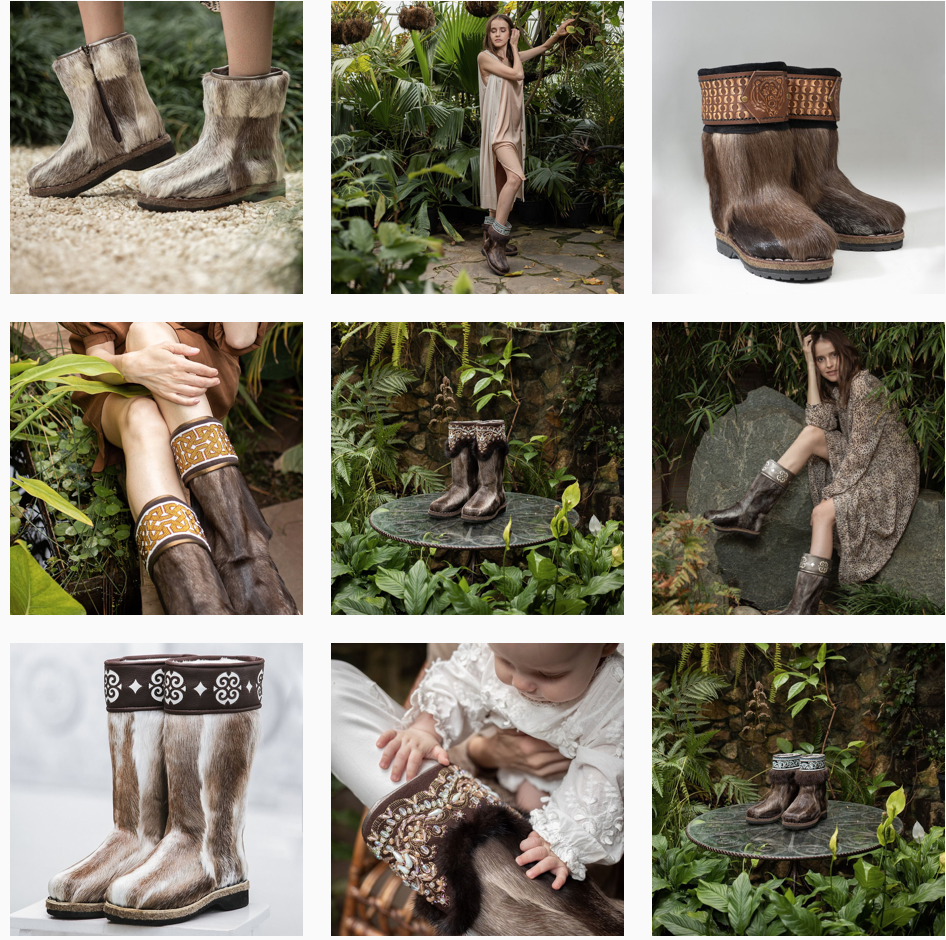
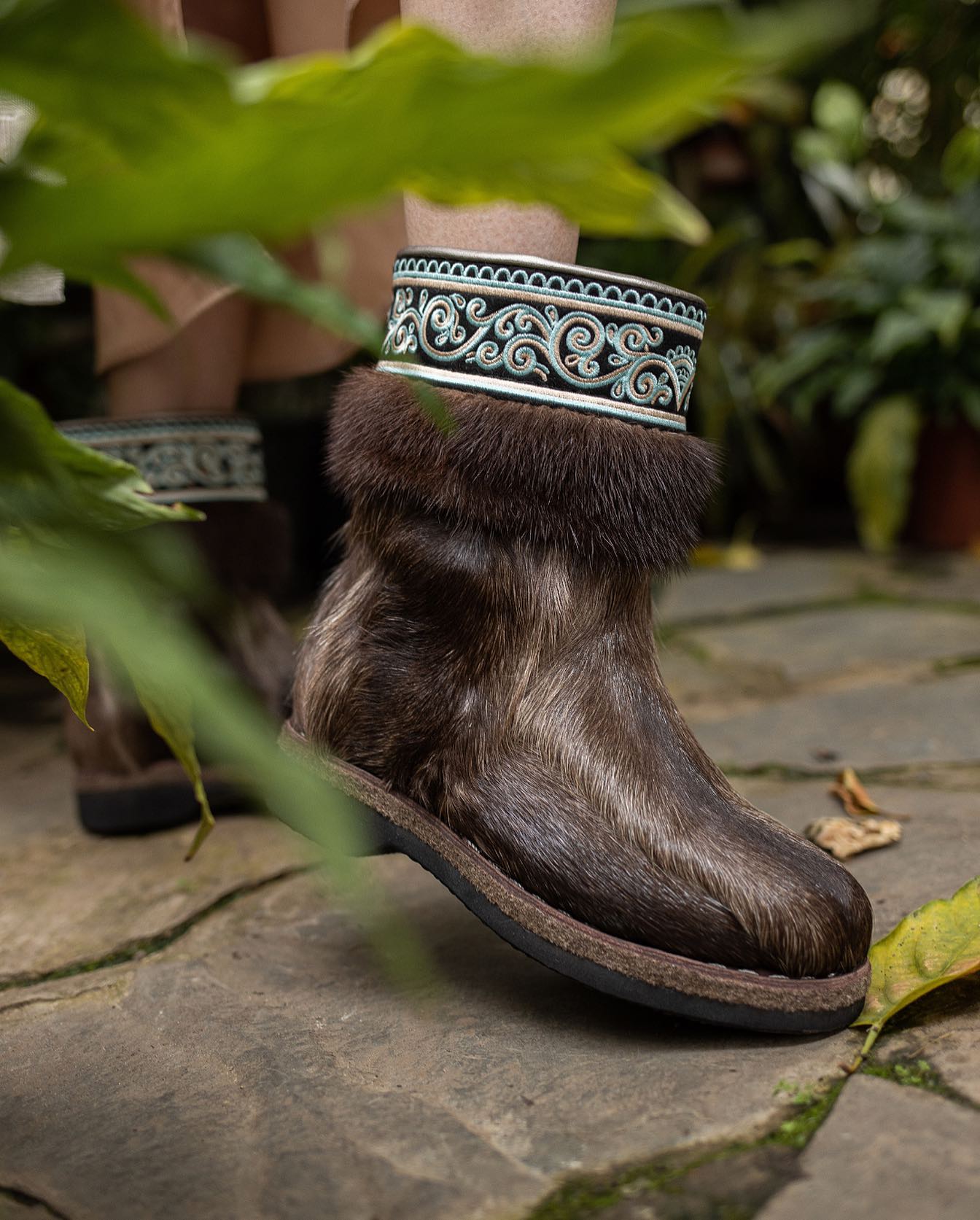
The obvious way to photograph winter boots is in snow, on a model who looks cold, and that is how everyone photographs them. We did the opposite and ran a full summer shoot: green grass, warm light, city outfits, and boots that turned out to look entirely at home in July.
The point was never the photographs themselves but the fact that seeing this product out of season became ordinary, because once it does, summer content has something to be about and a follower has a reason not to leave before fall.

• Special projects
Playing instead of discounting
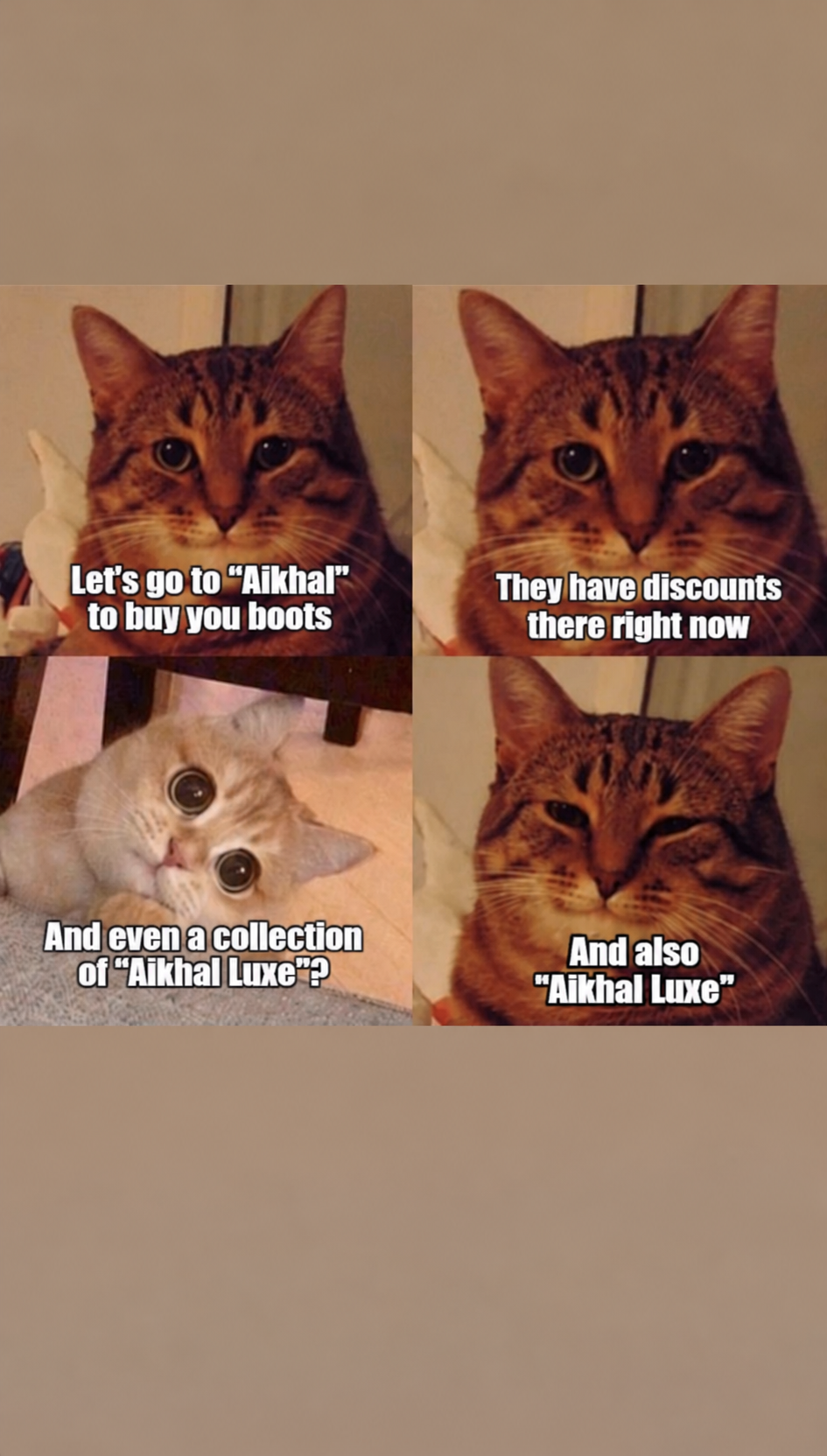
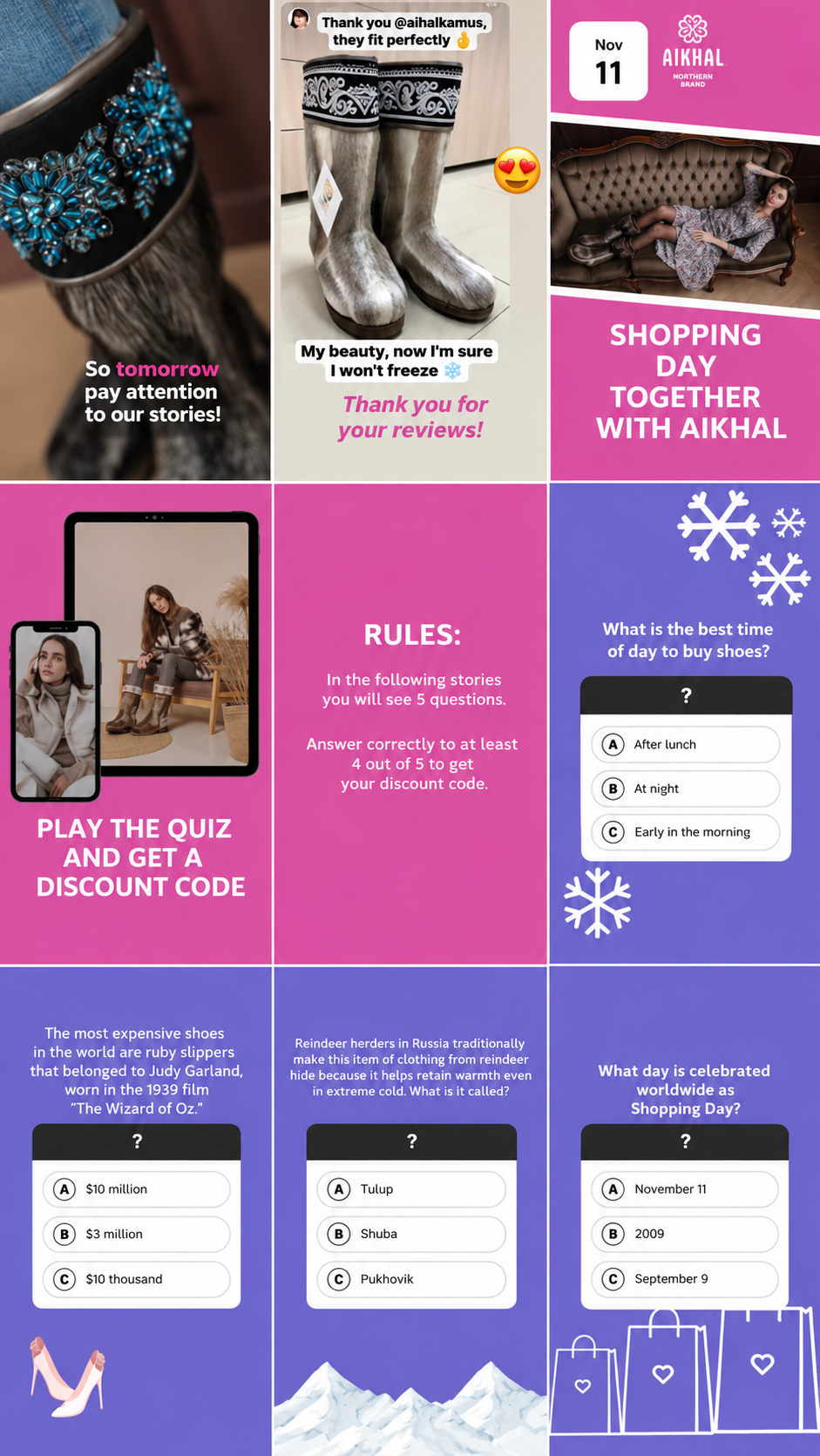
Black Friday is the loudest week of the year in this category and the easiest one to disappear into, since everybody posts the same red discount banner and nobody remembers a single one of them afterwards. Instead of a banner we ran a series of good-natured memes that people started forwarding to each other, and we earned the attention everyone else in the feed was paying for that week. We took the same approach to every other date on the calendar.
- 58promo codes claimed in 24 hours
A Halloween quest
A short narrative that unfolded one story at a time, with a promo code at the end.
- 38orders from one quiz
Quizzes
Built for the days when everyone around is competing on price, and won by talking to people instead.
- ~60,000comments on the December giveaway
Giveaways
A pair of boots, a sweater and three pairs of mittens, with a two-hour live draw.

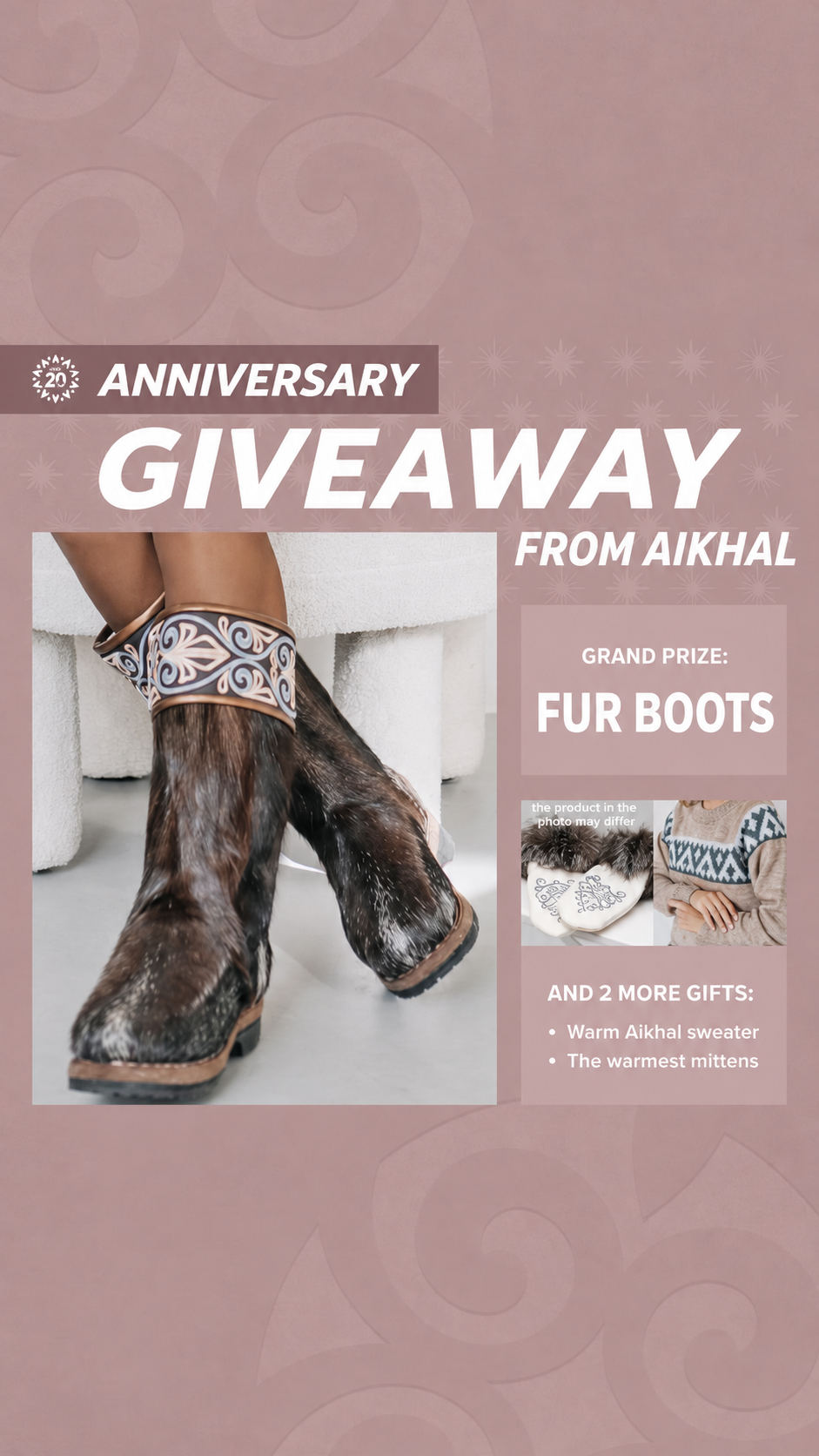
At some point customers began sending in photographs of themselves in the boots without anyone asking them to, and that was the moment the account finally stopped being a catalog.
• Ambassadors
A year with the ambassadors
We signed a 12-month contract with a family of local bloggers, people the region knows and trusts rather than people who simply have a lot of followers. The contract covered a full year instead of a single post or a run of stories.
- They visited the factory and recorded an interview with the brand's founder.
- They showed every new collection in their stories and posts.
- They appeared in the boots on the city's main billboards.
- One of them rode a motorcycle across a frozen lake wearing them.


The difference between one post from a blogger and a year of working together is roughly the difference between an acquaintance and a friend: over 12 months a person stops being an advertising surface and becomes somebody who genuinely wears the product, and an audience can always tell the difference.
• Results
Three years, two months later
- $500,000+in sales through social
- 3xgrowth in sales through social
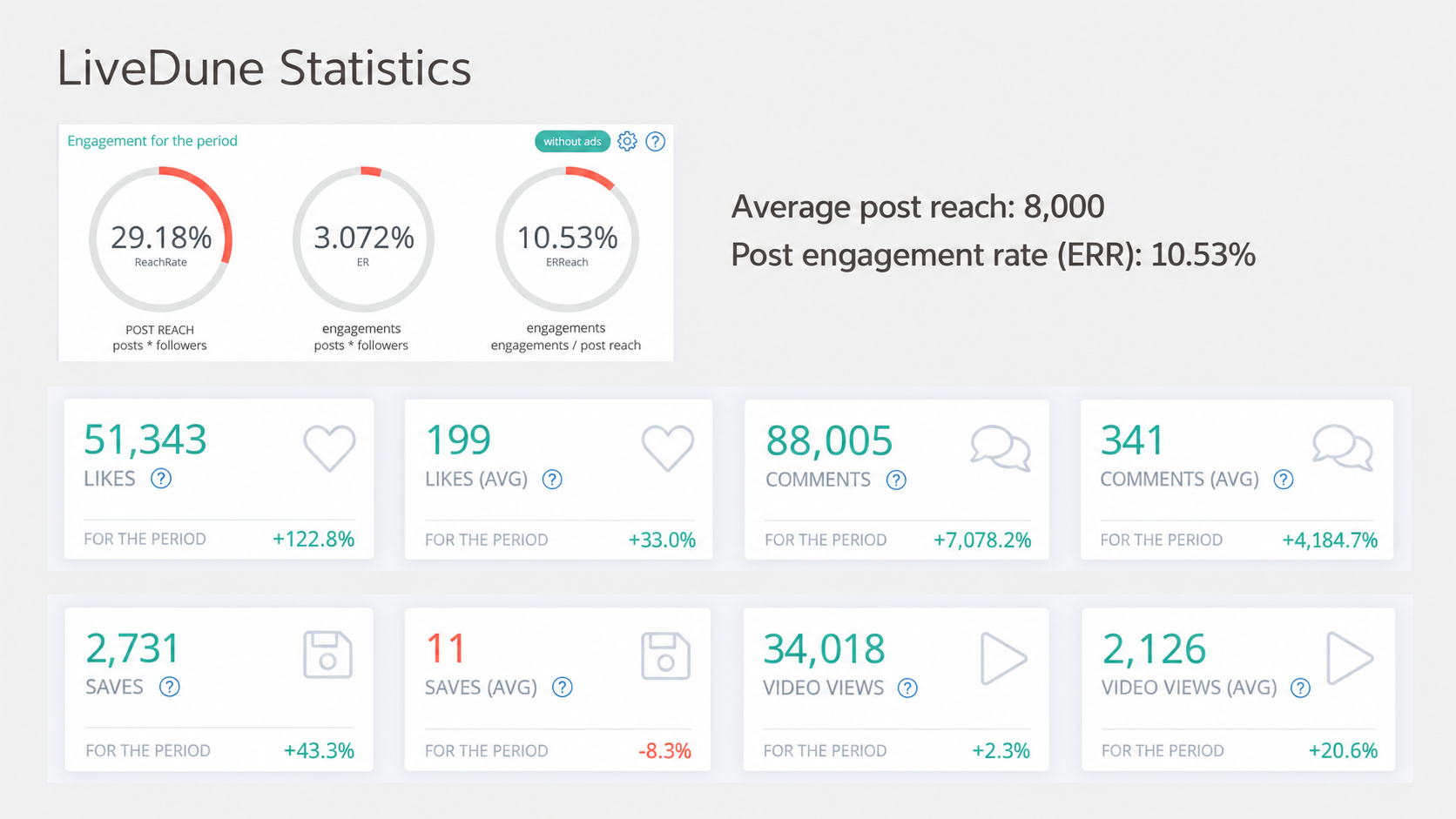
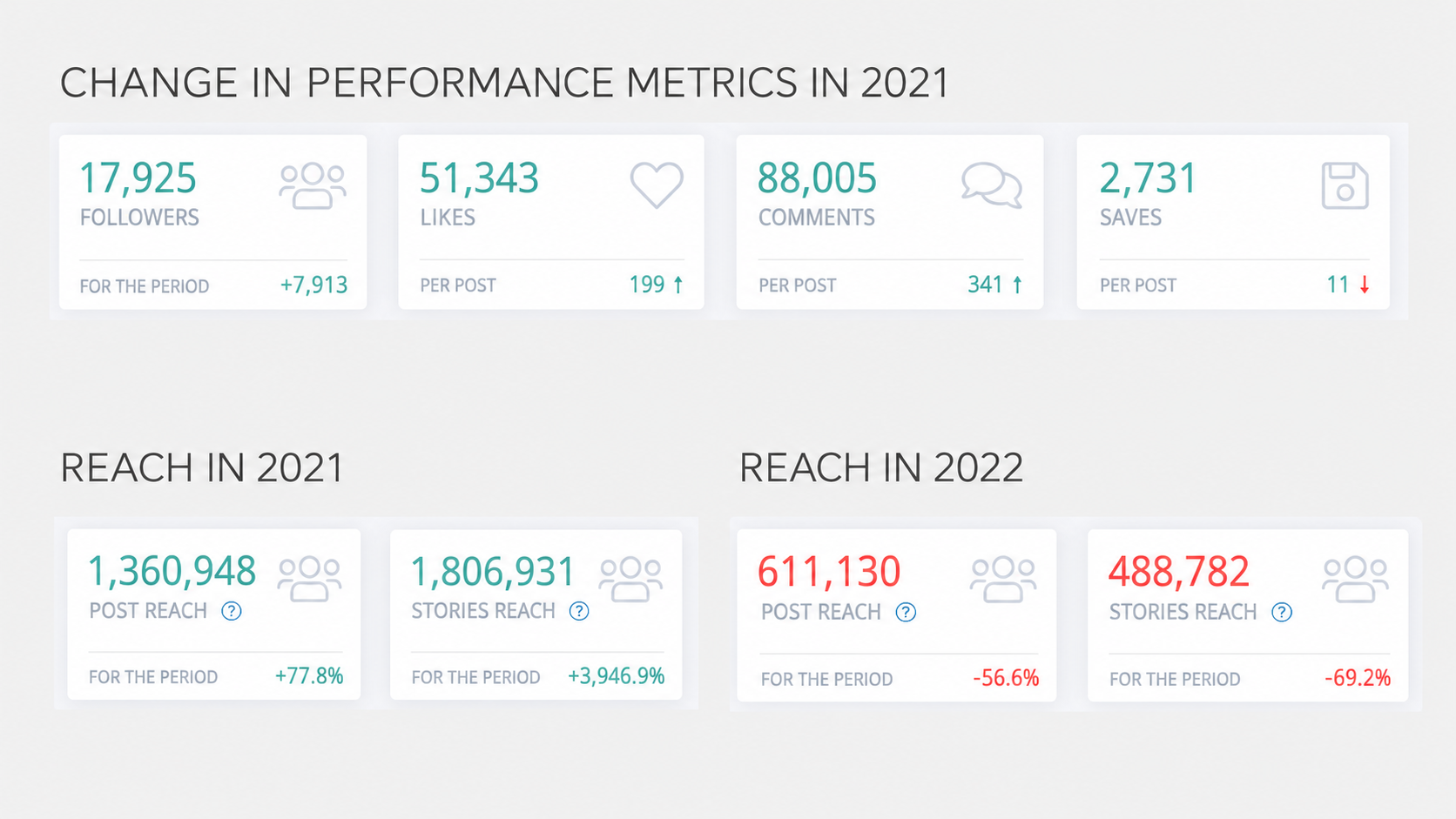
- 23,000Instagram followers, from 8,500–9,000
- 10.5%average engagement rate by followers
Instagram followers
Account analytics
- Sales through social over three years
- $500,000+
- Growth in sales through social
- 3x, in the client's own words
- Direct message inquiries
- 511 in five months
- Best-performing campaign
- 7.91% CTR, up to 24 inquiries a day
- Promo codes claimed from one campaign
- 58 in 24 hours
- Instagram followers
- from 8,500–9,000 to 23,000
- Average engagement rate by followers
- 10.5%
- Reach
- 2,000,000+
- Comments on a single giveaway
- around 60,000
- Short-form video reach
- +30%
- Duration
- 3 years, 2 months
Our social accounts doubled, and sales through social tripled.
 Annathe brand's marketing lead
The summer bleed stopped as well: the account that used to lose more than a thousand followers between May and September stopped losing them, and each new season began not by winning back last year's audience but by selling to it.
If your product only sells for part of the year
Boots, swimwear, pools, air conditioning, ski rentals, holiday retail: every seasonal business has the same hole in its calendar, and almost all of them fill it the same way, by going quiet for a few months and then buying back their own audience's attention in the fall.
There is a cheaper way, and it begins with deciding what you have to say to people in the months when they are not buying anything from you.
If your company builds something nobody photographs
Groundworks, utilities, structural steel, industrial installation — the less visible the work, the wider the gap between what a company actually does and what the market knows about it. Content is what closes that gap, and the people you want to hire are watching the same feed as the people you want to sell to.